
Ceramic Mosaic Tiles
Ceramic mosaic consists of small ceramic pieces mounted on mesh to form sheets. It is ideal for bathroom walls, shower rooms and kitchen splashbacks. Our range includes Dune mosaics such as Libertas, Andy, Thea and Amazonite.
Ceramic mosaic tiles – durable and versatile
Ceramic mosaic is the most practical type of mosaic: it is durable, does not absorb water and is easy to clean. Ceramic mosaic tiles are suitable for both walls and floors – in bathrooms, showers, kitchens and hallways.
The range includes slip-resistant Dover mosaics in 5 × 5 cm format, which work well on shower floors, matt stone-effect Himalaya mosaics, marble-pattern Urban mosaics, geometric Tech mosaics (Lantern, Octagon, Flame) and Dune mosaics, including the Kit-Kat series in matt pastel shades.
Why ceramic mosaic?
- The small format follows the slope of a shower floor towards the drain
- The many joints give the floor better grip
- Suitable for curved and complex surfaces such as niches and bath panels
- A wide choice of shades and patterns – from white and grey to pastel tones
For floors in wet areas, choose a mosaic with a slip-resistant surface – this information is given in the product description. You will also find matching wall and floor tiles in our store.
-
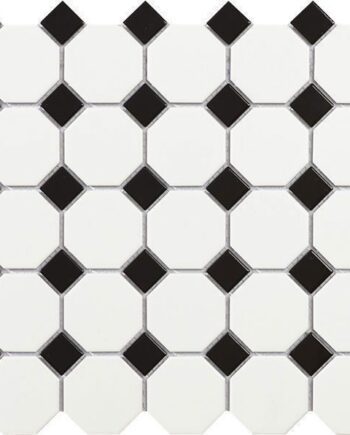 Stock Product7.90 € / pcs
Ceramic mosaic Tech Octagon White, 30×30 cm, white and black
7.90€ /pcsPay in three equal instalments 3 x 2.63€
Add to cart -
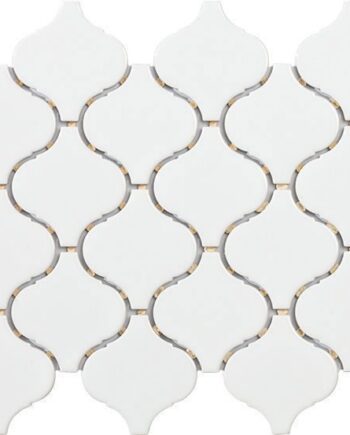 Stock Product7.90 € / pcs
Ceramic mosaic Tech Flame White, 25×28 cm, white
7.90€ /pcsPay in three equal instalments 3 x 2.63€
Add to cart -
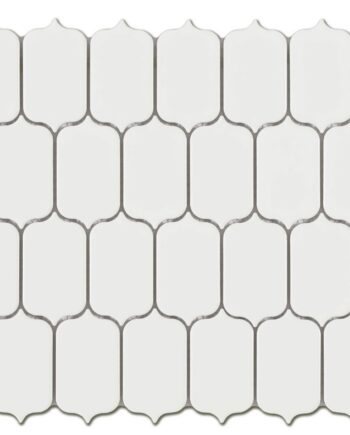 Stock Product7.90 € / pcs
Ceramic mosaic Tech Lantern White, 26×27 cm, 6.5 mm, white
7.90€ /pcsPay in three equal instalments 3 x 2.63€
Add to cart -
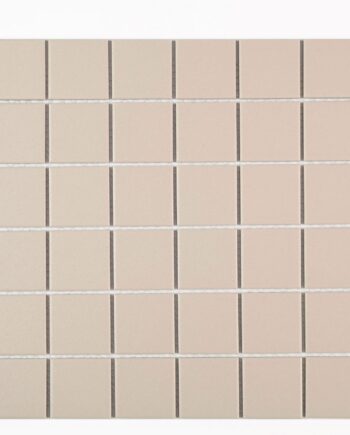 Stock Product7.95 € / pcs
Anti-slip ceramic mosaic Dover Beige 5×5, 30×30 cm, 6 mm, beige
7.95€ /pcsPay in three equal instalments 3 x 2.65€
Add to cart -
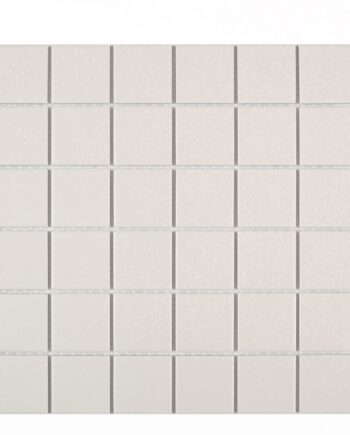 Stock Product7.95 € / pcs
Anti-slip ceramic mosaic Dover White 5×5, 30×30 cm, 6 mm, white
7.95€ /pcsPay in three equal instalments 3 x 2.65€
Add to cart -
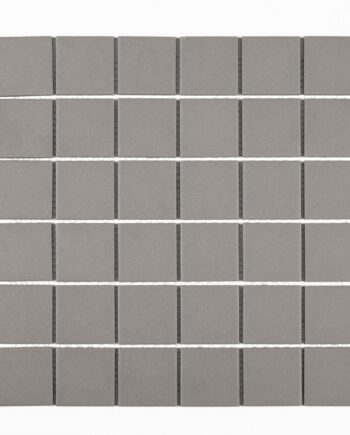 Stock Product7.95 € / pcs
Anti-slip ceramic mosaic Dover Grey 5×5, 30×30 cm, 6 mm, grey
7.95€ /pcsPay in three equal instalments 3 x 2.65€
Add to cart -
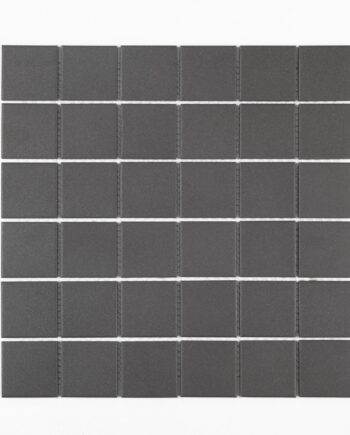 Stock Product7.95 € / pcs
Anti-slip ceramic mosaic Dover Black 5×5, 30×30 cm, 6 mm, black
7.95€ /pcsPay in three equal instalments 3 x 2.65€
Add to cart -
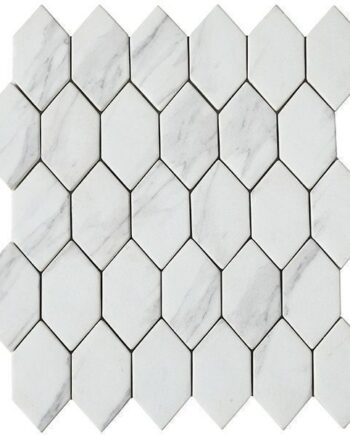 Stock Product9.90 € / pcs
Ceramic mosaic Urban White, 26×28 cm, white
9.90€ /pcsPay in three equal instalments 3 x 3.30€
Add to cart -
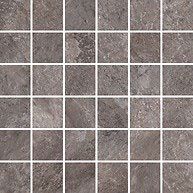 Stock Product11.00 € / pcs
Stone-effect matt porcelain mosaic tile Himalaya Grey 5×5, 30×30 cm, 8.5 mm, grey, R10
11.00€ /pcsPay in three equal instalments 3 x 3.67€
Add to cart -
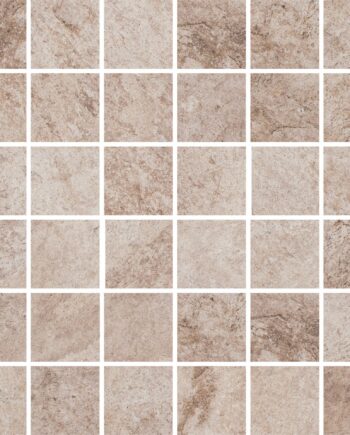 Stock Product11.00 € / pcs
Stone-effect matt porcelain mosaic tile Himalaya Cream 5×5, 30×30 cm, 8.5 mm, cream, R10
11.00€ /pcsPay in three equal instalments 3 x 3.67€
Add to cart -
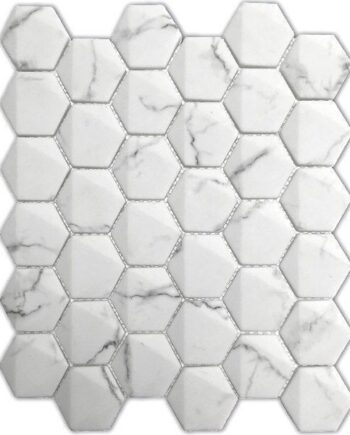 Stock Product12.25 € / pcs
Ceramic mosaic Urban Statuario, 26×30 cm, white
12.25€ /pcsPay in three equal instalments 3 x 4.08€
Add to cart -
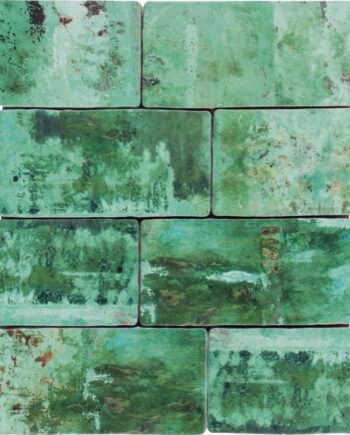 29.04€ / pcs
Ceramic mosaic Dune Libertas, 30×30 cm, 10 mm
232.32€ /packPay in three equal instalments 3 x 77.44€
Add to cart -
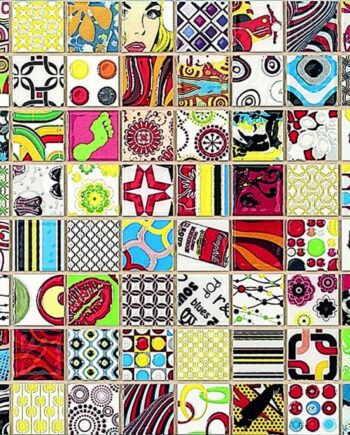 33.66€ / pcs
Ceramic mosaic Dune Andy, 28.1×28.1 cm, 10 mm
201.96€ /packPay in three equal instalments 3 x 67.32€
Add to cart -
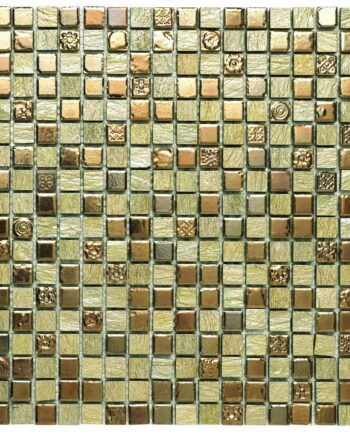 39.38€ / pcs
Ceramic mosaic Dune Thea, 30×30 cm, 8 mm
433.18€ /packPay in three equal instalments 3 x 144.39€
Add to cart -
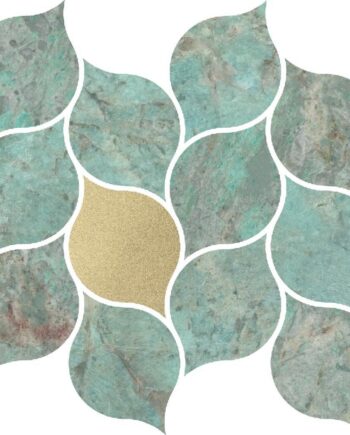 47.52€ / pcs
Ceramic mosaic Dune Amazonite Leaves, 27×24.5 cm, 9 mm
285.12€ /packPay in three equal instalments 3 x 95.04€
Add to cart -
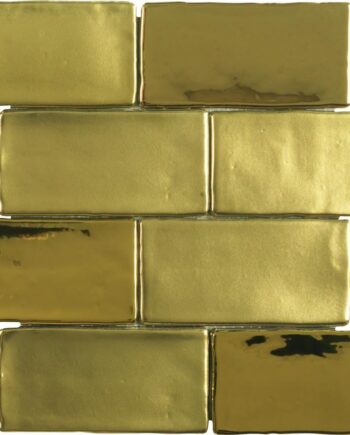 50.82€ / pcs
Ceramic mosaic Dune Grace, 30×30 cm, 9 mm
406.56€ /packPay in three equal instalments 3 x 135.52€
Add to cart -
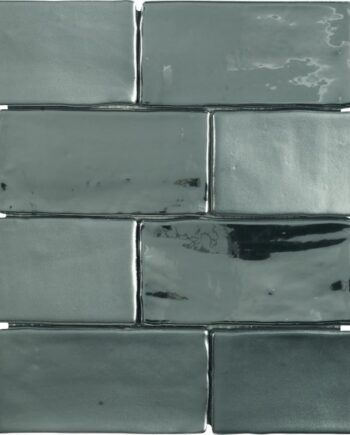 50.82€ / pcs
Ceramic mosaic Dune Charm, 30×30 cm, 9 mm
406.56€ /packPay in three equal instalments 3 x 135.52€
Add to cart -
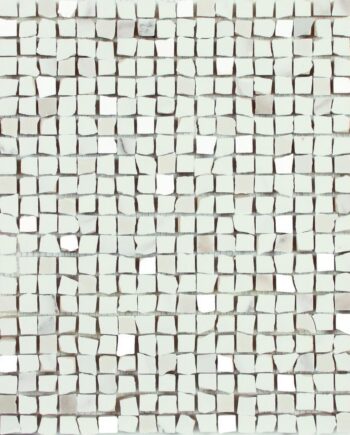 52.8€ / pcs
Ceramic mosaic Dune Lux, 30×30 cm, 11 mm
369.60€ /packPay in three equal instalments 3 x 123.20€
Add to cart -
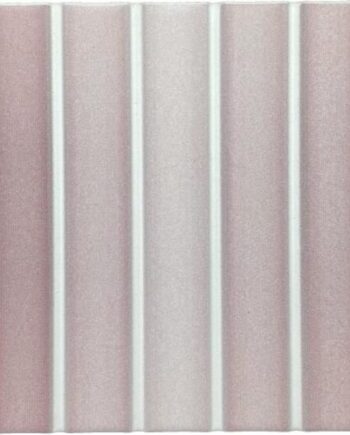 106.26€ / m2
Ceramic mosaic Dune Kit-Kat Lilac Matt, 11.5×23.1 cm, 8 mm
73.38€ /packPay in three equal instalments 3 x 24.46€
Add to cart -
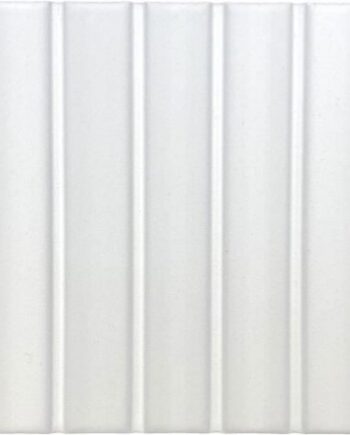 106.26€ / m2
Ceramic mosaic Dune Kit-Kat White Matt, 11.5×23.1 cm, 8 mm
73.38€ /packPay in three equal instalments 3 x 24.46€
Add to cart -
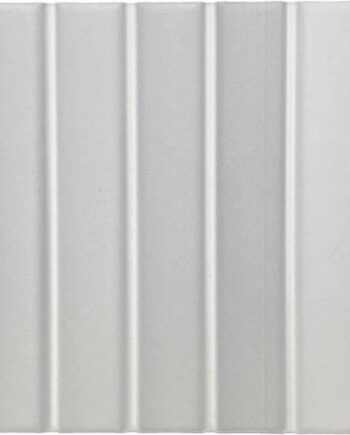 106.26€ / m2
Ceramic mosaic Dune Kit-Kat Grey Matt, 11.5×23.1 cm, 8 mm
73.38€ /packPay in three equal instalments 3 x 24.46€
Add to cart -
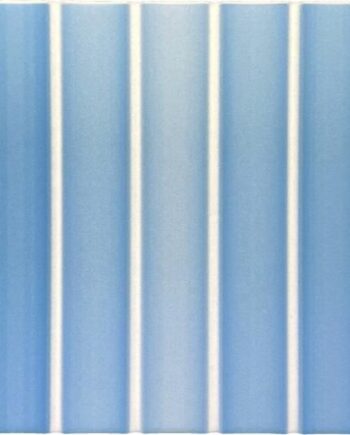 106.26€ / m2
Ceramic mosaic Dune Kit-Kat Sky Matt, 11.5×23.1 cm, 8 mm
73.38€ /packPay in three equal instalments 3 x 24.46€
Add to cart -
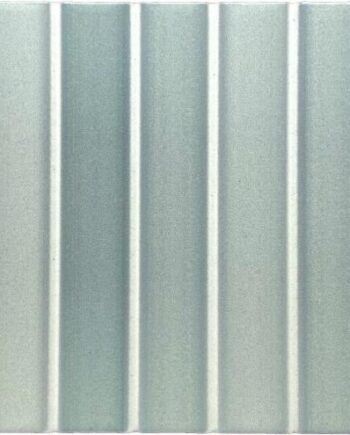 106.26€ / m2
Ceramic mosaic Dune Kit-Kat Anise Green Matt, 11.5×23.1 cm, 8 mm
73.38€ /packPay in three equal instalments 3 x 24.46€
Add to cart -
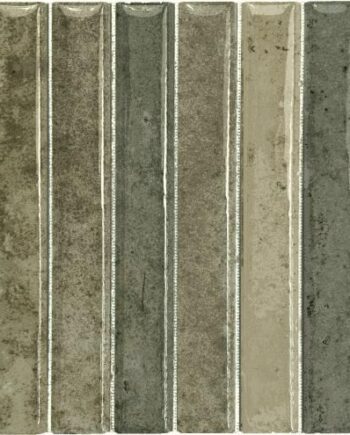 112.42€ / m2
Ceramic mosaic Dune Kit-Kat Musgo Glossy, 11.5×23.1 cm, 8 mm
71.67€ /packPay in three equal instalments 3 x 23.89€
Add to cart -
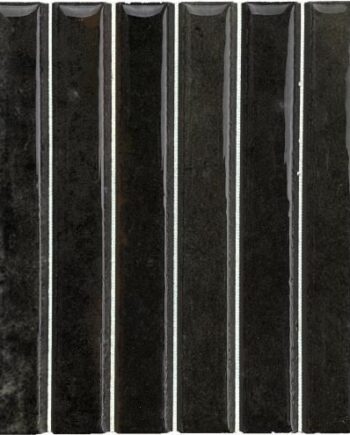 112.42€ / m2
Ceramic mosaic Dune Kit-Kat Noche Glossy, 11.5×23.1 cm, 8 mm
71.67€ /packPay in three equal instalments 3 x 23.89€
Add to cart -
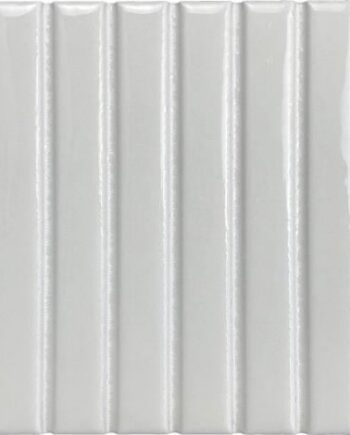 112.42€ / m2
Ceramic mosaic Dune Kit-Kat Snow Glossy, 11.5×23.1 cm, 8 mm
71.67€ /packPay in three equal instalments 3 x 23.89€
Add to cart -
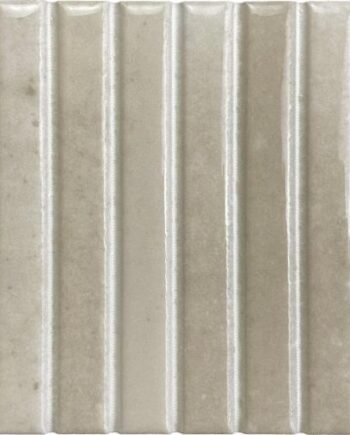 112.42€ / m2
Ceramic mosaic Dune Kit-Kat Ivory Glossy, 11.5×23.1 cm, 8 mm
71.67€ /packPay in three equal instalments 3 x 23.89€
Add to cart -
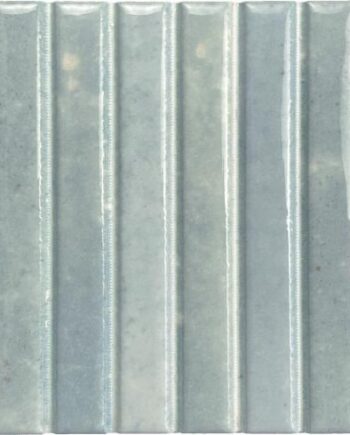 112.42€ / m2
Ceramic mosaic Dune Kit-Kat Water Glossy, 11.5×23.1 cm, 8 mm
71.67€ /packPay in three equal instalments 3 x 23.89€
Add to cart -
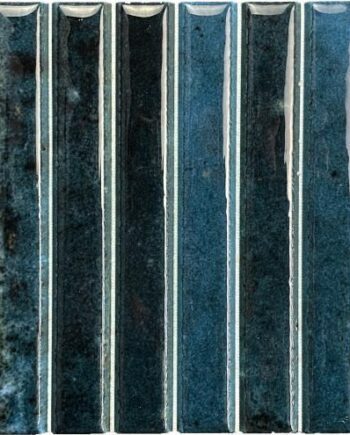 112.42€ / m2
Ceramic mosaic Dune Kit-Kat Ocean Glossy, 11.5×23.1 cm, 8 mm
71.67€ /packPay in three equal instalments 3 x 23.89€
Add to cart -
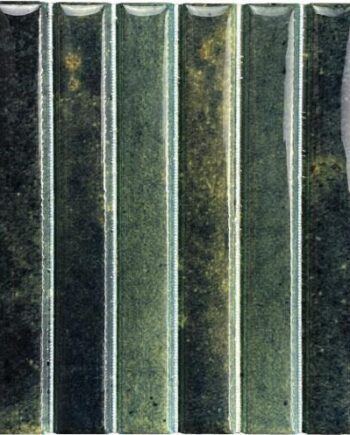 112.42€ / m2
Ceramic mosaic Dune Kit-Kat Grass Glossy, 11.5×23.1 cm, 8 mm
71.67€ /packPay in three equal instalments 3 x 23.89€
Add to cart -
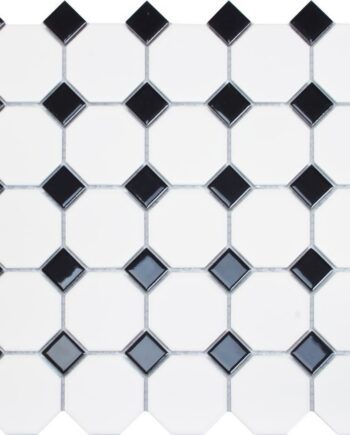 127.6€ / m2
Ceramic mosaic Dune Oxford Black, 29.5×29.5 cm, 6 mm
222.09€ /packPay in three equal instalments 3 x 74.03€
Add to cart -
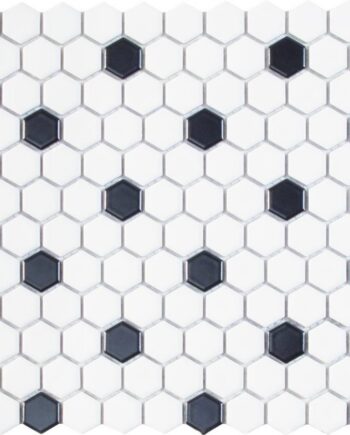 133.1€ / m2
Ceramic mosaic Dune Abbot, 26×30 cm, 5 mm
238.78€ /packPay in three equal instalments 3 x 79.59€
Add to cart
Frequently asked questions
Can ceramic mosaic be used on floors?
Yes, most ceramic mosaics are also suitable for floors, especially in showers, where the many grout lines improve grip. Check the product details to see whether the mosaic is intended for floors and what its slip resistance is.
How do I cut mosaic tiles?
Mosaic sheets can be cut through the mesh with a knife so the individual pieces stay intact. Individual ceramic pieces are cut with tile nippers, a tile cutter or a wet saw.
What is the difference between ceramic and glass mosaic?
Ceramic mosaic has a matt or glazed surface and works well on both walls and floors. Glass mosaic is glossy, reflects light and is better suited to walls and feature areas.
How is ceramic mosaic installed?
Mosaic sheets are bonded to a flat substrate with tile adhesive using a small-notched trowel. Press each sheet evenly into the adhesive, let the adhesive dry and then grout the whole surface. In damp rooms, apply waterproofing before installation.