
Stone Mosaic Tiles
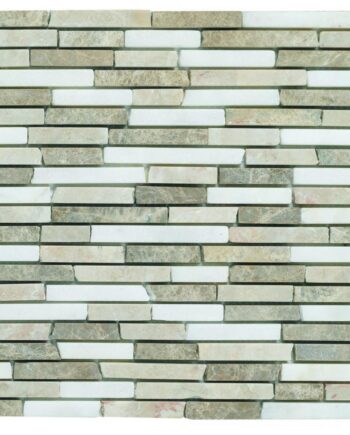
Stone mosaic is made from natural stone such as marble and gives walls and floors a natural, authentic look. Each piece varies slightly in tone. Our range includes the Dune stone mosaics Rio Carrara, Trencadis Alpaca and Capadocia.
Stone mosaic tiles – the warmth and texture of natural stone
Stone mosaic is made of natural stone such as marble and quartz, and every piece has a slightly different pattern and tone. That makes a surface covered with stone mosaic look lively and natural. Stone mosaic is suitable for bathroom and shower walls, kitchen splashbacks and feature walls and, depending on the model, also for floors.
The range includes Dune stone mosaics – e.g. Rio Carrara, Capadocia, Soul, Pebbles Light, Smirna, Lombok and Antalya – as well as grey, cream and black stone mosaics from the Stone series and the white Quarts Artic 3D. The mosaic sheets measure approx. 26–31 cm and are 8–10 mm thick.
Care
Natural stone is a porous material, so we recommend impregnating the stone mosaic surface before and after grouting. Impregnation protects the stone against stains and moisture and makes everyday cleaning easier. Use pH-neutral cleaning products – acidic cleaners can damage marble.
Stone mosaic goes well with both stone-effect ceramic tiles and wooden surfaces. Feel free to ask us for advice if you are looking for a tile to match the mosaic.
-
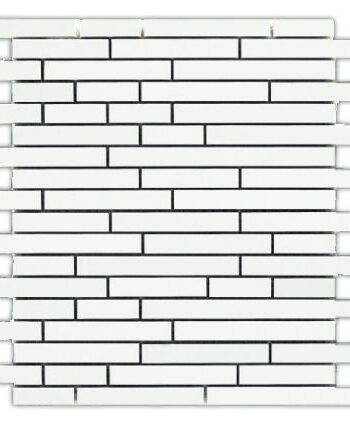 Stock Product9.90 € / pcs
Natural stone mosaic Quarts Artic 3D, 30×30 cm, 9.2 mm, white
9.90€ /pcsPay in three equal instalments 3 x 3.30€
Add to cart -
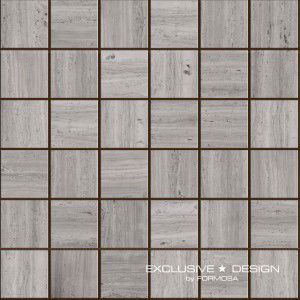 Stock Product15.00 € / pcs
Natural stone mosaic Stone Nr. 7, 30×30 cm, 8 mm, grey
15.00€ /pcsPay in three equal instalments 3 x 5.00€
Add to cart -
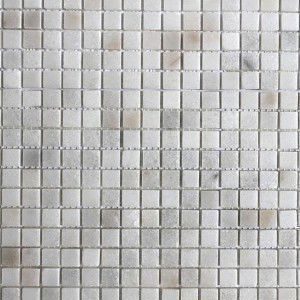 Stock Product16.00 € / pcs
Natural stone mosaic Stone Nr. 19, 30×30 cm, 8 mm, grey
16.00€ /pcsPay in three equal instalments 3 x 5.33€
Add to cart -
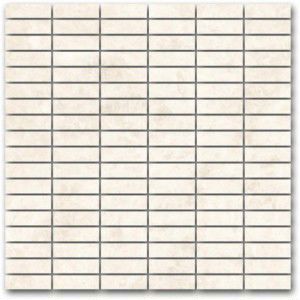 Stock Product16.00 € / pcs
Natural stone mosaic Stone Nr. 22, 30×30 cm, 8 mm, cream
16.00€ /pcsPay in three equal instalments 3 x 5.33€
Add to cart -
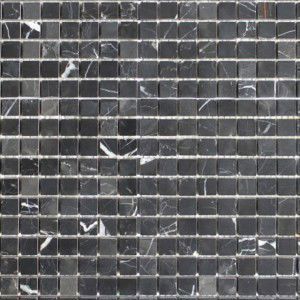 Stock Product16.00 € / pcs
Natural stone mosaic Stone Nr. 20, 30×30 cm, 8 mm, black
16.00€ /pcsPay in three equal instalments 3 x 5.33€
Add to cart -
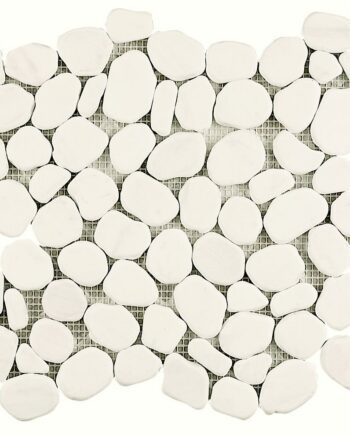 35.2€ / pcs
Stone mosaic Dune Rio Carrara, 26×26 cm, 10 mm
281.60€ /packPay in three equal instalments 3 x 93.87€
Add to cart -
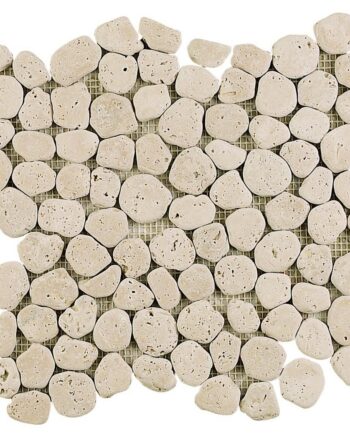 35.2€ / pcs
Stone mosaic Dune Trencadis Alpaca, 26×26 cm, 10 mm
281.60€ /packPay in three equal instalments 3 x 93.87€
Add to cart -
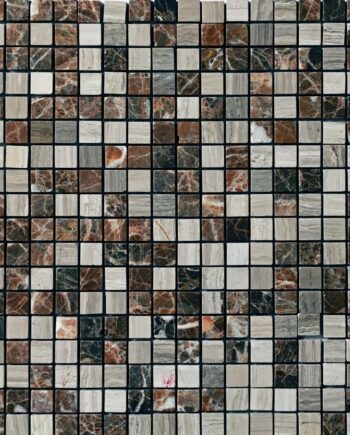 36.74€ / pcs
Stone mosaic Dune Capadocia, 30×30 cm, 8 mm
404.14€ /packPay in three equal instalments 3 x 134.71€
Add to cart -
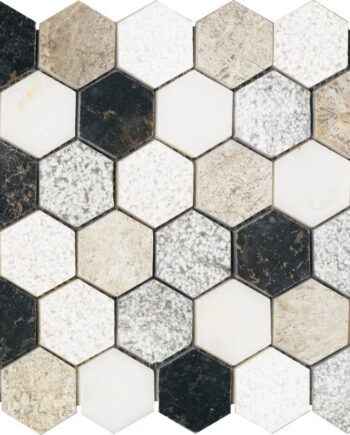 39.38€ / pcs
Stone mosaic Dune Soul, 27×30.9 cm, 10 mm
393.80€ /packPay in three equal instalments 3 x 131.27€
Add to cart -
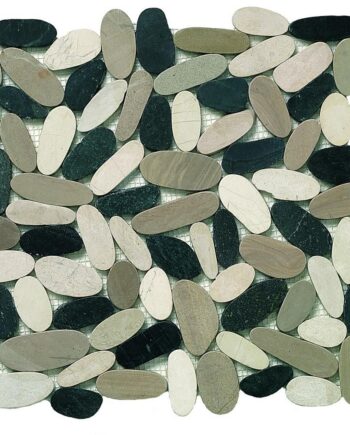 42.68€ / pcs
Stone mosaic Dune Pebbles Light, 30.5×31.5 cm, 8 mm
426.80€ /packPay in three equal instalments 3 x 142.27€
Add to cart -
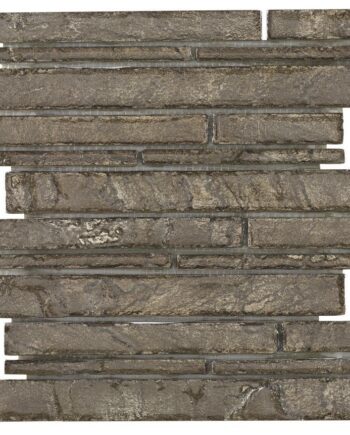 56.76€ / pcs
Stone mosaic Dune Duende Copper, 30×30 cm, 10 mm
283.80€ /packPay in three equal instalments 3 x 94.60€
Add to cart -
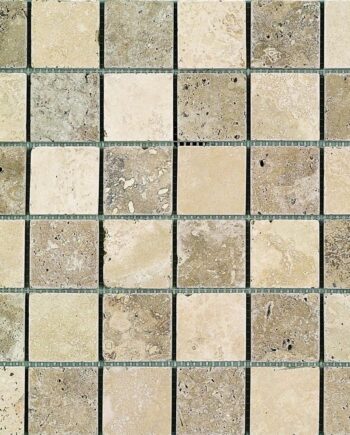 127.6€ / m2
Stone mosaic Dune Smirna, 30.5×30.5 cm, 10 mm
118.69€ /packPay in three equal instalments 3 x 39.56€
Add to cart -
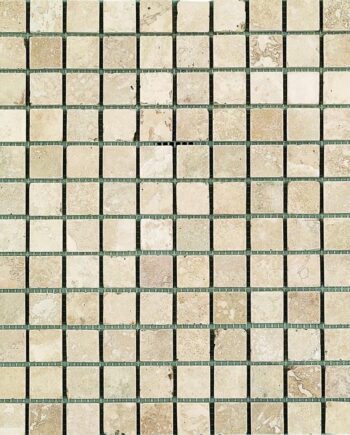 136.84€ / m2
Stone mosaic Dune Antalya, 30.5×30.5 cm, 10 mm
127.29€ /packPay in three equal instalments 3 x 42.43€
Add to cart -
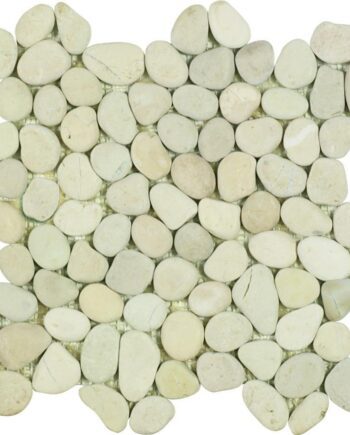 136.84€ / m2
Stone mosaic Dune Lombok, 29×29 cm, 10 mm
115.08€ /packPay in three equal instalments 3 x 38.36€
Add to cart -
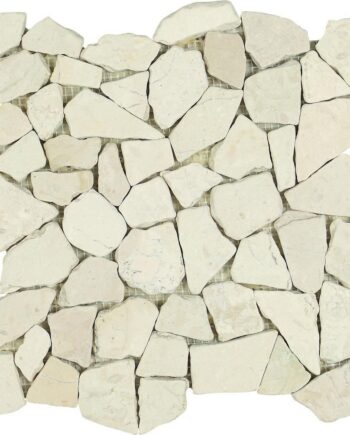 140.14€ / m2
Stone mosaic Dune Marimba, 30×30 cm, 10 mm
138.74€ /packPay in three equal instalments 3 x 46.25€
Add to cart -
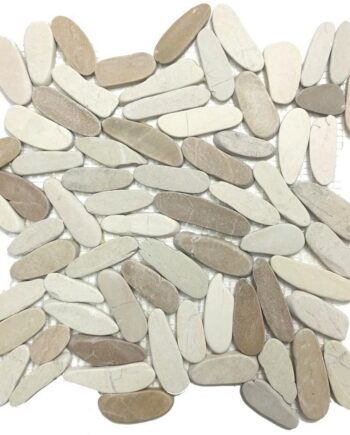 152.9€ / m2
Stone mosaic Dune Jambi, 28.9×30.5 cm, 8 mm
134.77€ /packPay in three equal instalments 3 x 44.92€
Add to cart -
 163.46€ / m2
Stone mosaic Dune Afyon, 29×32.5 cm, 8 mm
154.04€ /packPay in three equal instalments 3 x 51.35€
Add to cart
Frequently asked questions
Does stone mosaic need sealing?
Yes, natural stone is porous, so it's worth treating stone mosaic with a stone sealer before and after grouting. Sealing reduces the absorption of stains and dirt and makes later cleaning easier.
Is stone mosaic suitable for a bathroom?
Yes, sealed stone mosaic is suitable for bathroom walls and floors. In the shower and other wet areas, use waterproof adhesive and grout, and renew the sealer from time to time so the stone doesn't absorb water or soap residue.
How should I clean stone mosaic?
Clean stone mosaic with a pH-neutral cleaner. Avoid acidic and abrasive products, such as vinegar or descaler, as they can damage the surface of marble and other natural stone.
Why do stone mosaic pieces vary in tone?
Natural stone contains veining and colour variations, so every mosaic sheet is slightly unique. Dry-lay the sheets before fixing so the tones are evenly distributed across the surface.